Tickets for Joaquín Sabina
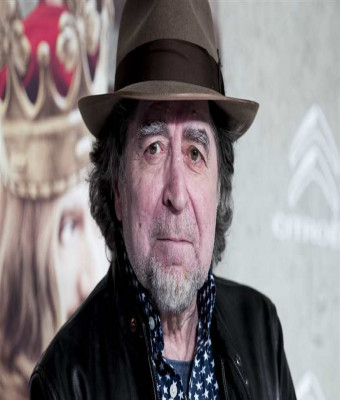
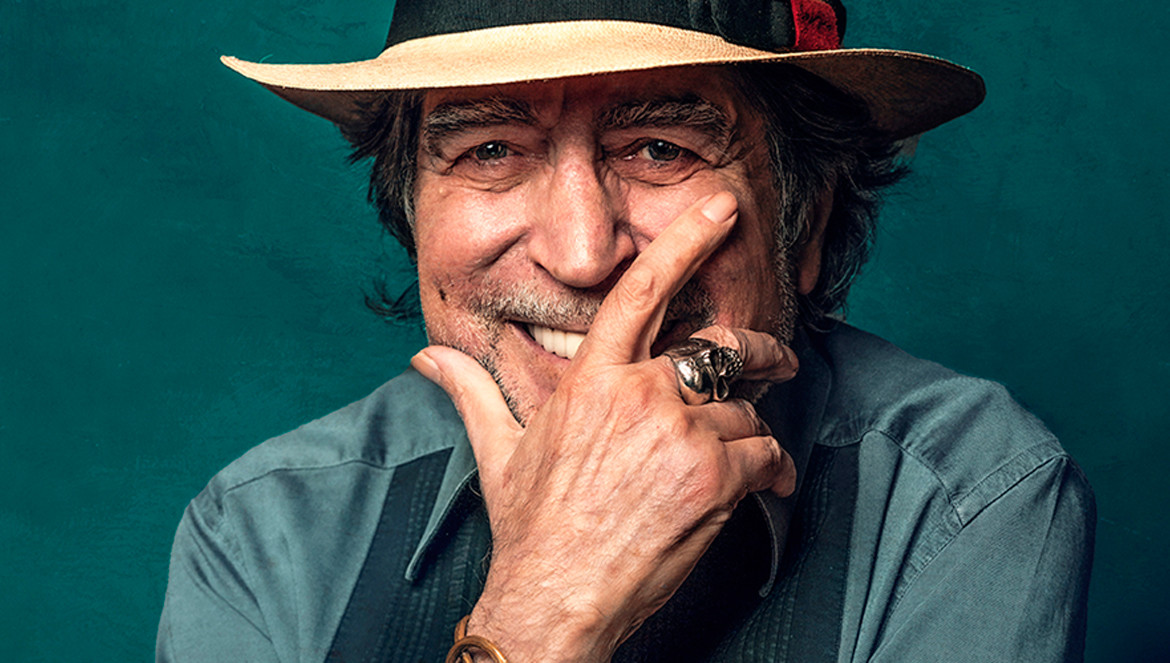
Joaquín Sabina, born Joaquín Ramón Martínez Sabina on February 12, 1949, in Úbeda, Jaén, Spain, is a celebrated singer, songwriter, poet, and writer. Known for his unmistakable raspy voice and lyrics filled with irony, nostalgia, and urban poetry, Sabina has become one of the most iconic and beloved singer-songwriters in the Spanish-speaking world.
Musical Journey
Early Beginnings
Sabina began his musical career in the 1970s, playing in bars and small venues in London, where he lived for a time. His debut album, Inventario (1978), introduced his lyrical and reflective style, but his true breakthrough came with his third album, Malas Compañías (1980), which included the classic "Pongamos que hablo de Madrid."
Consolidation as a Singer-Songwriter
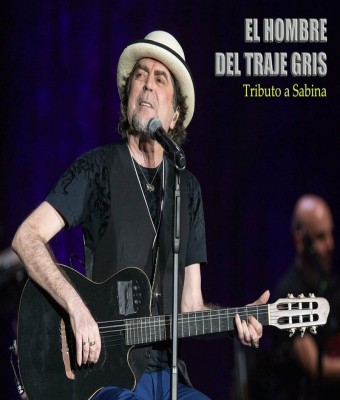
Throughout the 1980s and 1990s, Sabina solidified his reputation as one of Spain's foremost singer-songwriters. Albums like Hotel, dulce hotel (1987), El hombre del traje gris (1988), and 19 días y 500 noches (1999) marked his career, with songs that captured the emotions and stories of everyday life.
Notable Discography
- Malas Compañías (1980): Includes "Calle Melancolía" and "Pongamos que hablo de Madrid."
- Física y Química (1992): With hits like "Y nos dieron las diez."
- 19 días y 500 noches (1999): One of his most acclaimed works, with tracks like "Una canción para la Magdalena."
- Vinagre y rosas (2009): An introspective album with literary collaborations.
- Lo niego todo (2017): His latest studio album, featuring songs like "Quien más, quien menos" and "Lo niego todo."
Musical Style and Lyrics
Sabina is known for his storytelling ability through songs. His lyrics, filled with metaphors and sharp humor, explore themes such as love, heartbreak, bohemia, loneliness, and the contradictions of modern life. Musically, he blends genres such as rock, pop, bolero, tango, and rumba.
Recognition and Legacy
- Awards: Sabina has received numerous accolades, including Premios Ondas, Premios de la Música, and the Medal of Merit in Fine Arts.
- Influence: His songs have been covered and interpreted by artists from various genres, and his style has influenced generations of singer-songwriters.
- Streaming and Sales: With millions of albums sold and songs that accumulate billions of streams on digital platforms, Sabina remains relevant in today’s music scene.
Beyond Music
- Writer and Poet: Sabina has also published several books of poetry and prose, including Ciento volando de catorce (2001) and Esta boca es mía (1997).
- Collaborations: He has worked with artists such as Joan Manuel Serrat, Pablo Milanés, and Fito Páez, most notably with Serrat in their joint tour Dos pájaros de un tiro (2007).
- Bohemian Lifestyle: His love for the night and intense experiences has been a source of inspiration for his music and poetry.
Connection with the Audience
Sabina is more than just a singer-songwriter; he is a chronicler of urban life, capable of capturing the feelings and stories of ordinary people with a unique sensitivity. His authenticity and ability to evoke deep emotions have created a special bond with his audience.
Joaquín Sabina is a symbol of Spanish music and literature, an artist who has transcended generations and continues to move people with his talent, honesty, and irreverent view of life.